
明白,接下来将按照上海报关预约写一篇文章:
Title: Exploring the Shanghai Customs Food Declaration Process and Its Impact on the Port of Entry Journey
In the dynamic landscape of global trade, the role of customs clearance cannot be overstated. At the heart of this process lies the Shanghai Customs Food Declaration Service, a specialized entity that ensures the smooth and efficient movement of food products across national borders. This article delves into the intricacies of the food declaration process at Shanghai customs, exploring the various stages involved and the challenges faced by importers seeking to navigate this complex system.
At the outset, it is essential to understand the importance of compliance with local and international regulations when importing food products into China. These regulations are designed to protect consumers' health and well-being by ensuring that imported foods meet specific standards of quality, safety, and hygiene. For example, food products must be labeled accurately to indicate their origin, ingredients, and any special handling instructions required by Chinese law. Additionally, importers must comply with strict packaging requirements, such as the use of appropriate materials and seals to prevent contamination or spoilage during transit.
Once all necessary documentation has been gathered and submitted, the next step involves selecting the most appropriate customs broker or agent to facilitate the clearance process. These professionals have a deep understanding of the complexities of the customs environment in Shanghai and can navigate the system with ease, ensuring that all required information is submitted accurately and on time. Additionally, they provide valuable insights into potential obstacles and solutions that can help minimize delays and maximize efficiency.

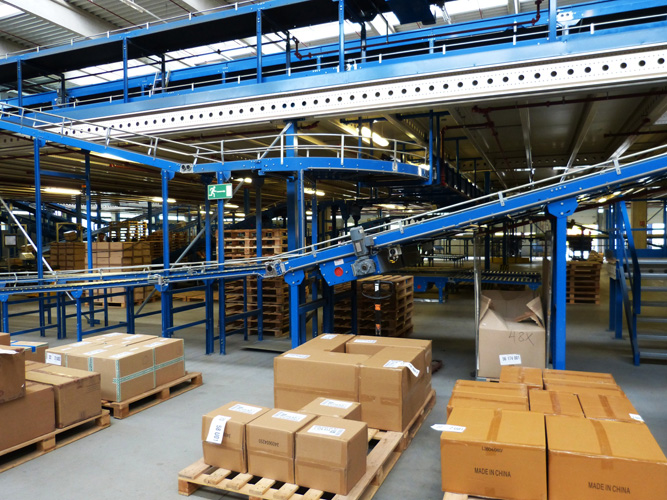
The transportation method selected for the food product will also have a significant impact on its port of entry journey. For example, if the product requires refrigeration, air freight may be the ideal choice due to its ability to maintain cold temperatures throughout the journey. On the other hand, if the product can handle higher temperatures, ocean freight may be more suitable since it offers greater flexibility in terms of timing and route. The choice of transportation method should also take into account the destination market's specific requirements and preferences, as this will ultimately determine how the product arrives at its final destination.
Once the goods reach the port, they undergo a series of inspections conducted by customs officials to verify their authenticity and conformity to local standards. This includes an initial visual assessment of the package for signs of damage or tampering, followed by a more thorough examination once the goods are unpacked and laid out in a manner that facilitates easy access for inspectors. During these inspections, detailed notes are taken regarding any discrepancies found during the inspection process, which can then be used to guide further investigations or corrective actions if necessary.
In addition to physical inspections, customs agents may also rely on sophisticated technologies such as X-ray machines or thermal cameras to detect hidden hazards or contraband within the cargo. These tools offer unparalleled accuracy and speed, enabling customs officials to make informed decisions about whether to allow the goods to enter or exit the country based on their findings.
Once the goods have passed all necessary inspections and conform to all relevant regulations, they are cleared for release from customs custody. This marks the end of one stage in the port of entry journey but only the beginning of another. Once released, the goods are then transported to their designated location within the country's borders, where they await further processing according to local laws and industry standards.
As we look ahead, it is clear that the food declaration process at Shanghai customs is not just about automating paperwork; it is about creating a robust and reliable system that ensures the safe and efficient movement of goods across international borders. By leveraging advanced technology and employing experienced professionals who understand both local and global regulations, customs officials can significantly reduce wait times and streamline operations, ultimately benefiting both importers and exporters alike.
In conclusion, the port of entry journey for food products in Shanghai is a multifaceted process that involves careful preparation, strategic transportation selection, meticulous inspections, and efficient clearance processes. Each step plays a vital role in ensuring that goods arrive safely, are processed correctly, and meet all necessary regulatory requirements before entering the market. As we continue to explore the intricacies of this complex system, it becomes increasingly evident that effective collaboration between various stakeholders—including importers, exporters, customs officials, and regulators alike—is essential for maintaining a high level of trust and transparency in the global marketplace.
——END——
https://www.fanjue56.com/baoguanchangshi/56585.html,以上就是上海报关预约的解读,只要通过预约方式联系我们的顾问客服根据不同进口产品, 即可获得国际货运方案和进口报关代理报价单,手续费低,省钱,省心。工作人员看到您的信息会第一时间与您联系,文章图文源于网络和投稿、即编辑排版,传递更多知识,如涉及版权,请及时联系我们会尽快处理。如果您还有其他疑问,欢迎致电400-8088-264.
