
明白,下面是按照中国汽车出口分析写一篇文章:
Title: Global Automotive Exports: An In-depth Analysis of China's Automobile Industry's International Outreach and Impact
China's automobile industry has been a driving force in the global automotive market, with significant contributions to both economic growth and technological advancement. As the world's third-largest economy, China's automobile industry plays a crucial role in shaping international trade dynamics and fostering cross-cultural exchanges. This comprehensive analysis examines the industry's export activities, their impact on domestic and global markets, and the challenges faced by Chinese carmakers in expanding into foreign markets.
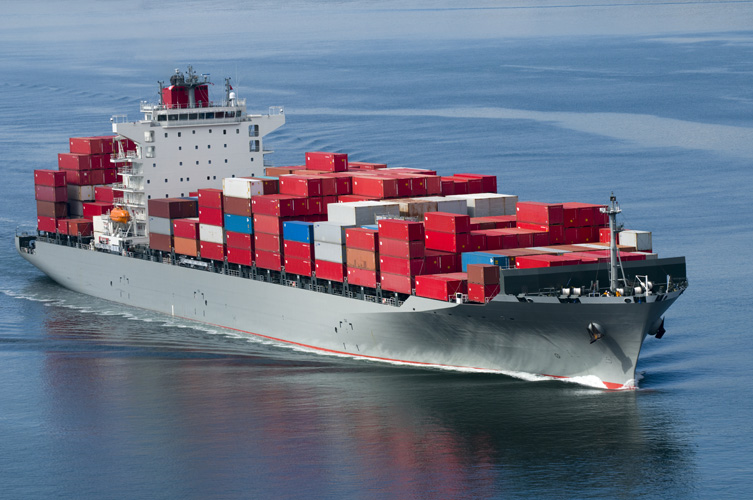
1. Export Growth and Market Expansion
Over the past decade, China's automobile industry has experienced rapid expansion, with a steady increase in export volume. According to data from the China Association of Automobile Manufacturers (CAAM), China's automobile exports have grown at an impressive rate, accounting for over half of the global total. This growth is attributed to several factors, including the country's strong domestic demand, competitive pricing strategies, and its commitment to meeting growing global demand for affordable vehicles.
In recent years, China's automobile exports have become increasingly diversified, with a focus on high-quality products such as luxury cars, electric vehicles, and trucks. This shift reflects the growing demand for environmentally friendly and high-performance vehicles globally, as well as China's ongoing efforts to promote innovation and technological advancement in the automotive industry.
2. Economic Impact
The global automobile industry has a significant economic impact, directly contributing to the growth of countries involved in trade. For China, the automobile sector is not only a source of revenue but also a driver of economic development. The industry employs millions of people across various stages of production and distribution, providing employment opportunities for workers in rural areas and creating a network of supply chains that spans across the globe.
Moreover, the automobile industry contributes significantly to China's GDP, accounting for a substantial portion of its overall economic output. This sector is also essential for sustaining China's balance of payments, as imports of raw materials and components are offset by exports of finished vehicles.
3. Technological Advances
The Chinese automobile industry has made remarkable strides in technological innovation, leading the way in fields such as electronic control systems, fuel efficiency, and safety features. These advancements have not only improved the quality and performance of Chinese vehicles but also contributed to the industry's global competitiveness.
In recent years, China has invested heavily in research and development, particularly in areas such as battery technology for electric vehicles and intelligent connectivity for smart cars. These developments are aimed at addressing concerns about energy consumption and environmental impact, aligning with the global trend towards sustainable mobility.
4. International Trade Challenges
Despite its successes, China's automobile industry faces several challenges in expanding into foreign markets. One major issue is regulatory compliance, particularly in countries with complex regulations and stricter emission standards. Additionally, cultural differences can pose challenges in understanding consumer preferences and adapting product designs to local markets.
Another challenge is the need to navigate changing global trade policies and geopolitical tensions. As global trade relations evolve, China's automobile exports may face new challenges related to trade barriers, tariffs, and intellectual property rights protection.

5. Strategic Implications
The global automobile industry's expansion by China highlights the importance of strategic alliances and partnerships in international trade. By collaborating with other countries and regions, Chinese carmakers can leverage their strengths and overcome obstacles in foreign markets.
Furthermore, the industry's growth has implications for policymakers and investors worldwide. Governments need to adopt policies that support innovation and investment in the automotive sector while ensuring sustainability and environmental responsibility. Investors should consider the potential risks and rewards associated with investing in the industry, taking into account factors such as market trends, technological advancements, and regulatory changes.
In conclusion, the global automobile industry's expansion by China represents a significant milestone in the country's economic and technological development. While it has brought numerous benefits, such as job creation and economic growth, it also presents challenges that must be addressed through effective strategies and policies. As the industry continues to evolve, it will be interesting to observe how China's automobile makers navigate these dynamics and shape the future of global automotive trade.
——END——
https://www.fanjue56.com/baoguanchangshi/54234.html,以上就是中国汽车出口分析的解读,只要通过预约方式联系我们的顾问客服根据不同进口产品, 即可获得国际货运方案和进口报关代理报价单,手续费低,省钱,省心。工作人员看到您的信息会第一时间与您联系,文章图文源于网络和投稿、即编辑排版,传递更多知识,如涉及版权,请及时联系我们会尽快处理。如果您还有其他疑问,欢迎致电400-8088-264.
