
Import Customs Clearance: A Comprehensive Guide
Customs clearance is an essential part of international trade. It involves the process of verifying and clearing goods that are imported into a country, following which they can be sold or used in the domestic market. In this article, we will provide you with a comprehensive guide on import customs clearance, covering everything from the necessary documents to the payment of duties and taxes.
1. Understand the Import Process
Before importing any goods, it is crucial to understand the entire import process. This includes identifying the type of goods being imported, the country of origin, and the destination country. You must also ensure that you comply with all regulations and guidelines set by the relevant authorities.
2. Gather Required Documents
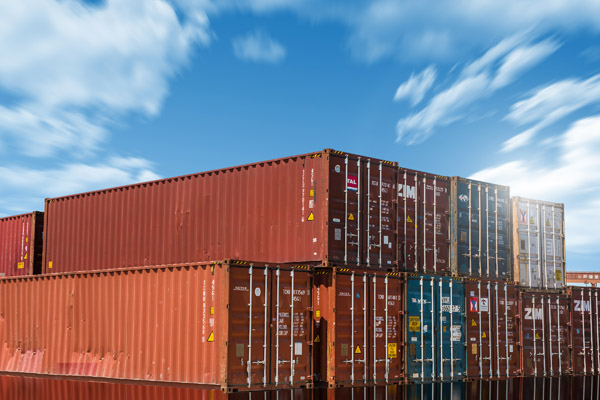
The first step in importing goods is to gather all the necessary documents. These may include a commercial invoice, packing list, bill of lading, certificate of origin, and other relevant documentation. It is important to ensure that these documents are accurate and complete to avoid delays or penalties.
3. Choose the Right Mode of Transport
Once you have gathered all the required documents, you need to choose the right mode of transport for your goods. This may include air, sea, or land transport, depending on the nature and quantity of your goods. You should also consider factors such as delivery time, cost, and reliability when making your choice.

4. Clear Customs at the Destination
When your goods arrive at the destination country, you must clear customs at the port of entry. This involves presenting your import declaration forms and other necessary documentation to the customs authorities. The customs authorities will then inspect your goods and determine whether any taxes or duties need to be paid.
5. Pay Taxes and Duties
If your goods exceed the threshold amount set by the destination country's customs authority, you will be required to pay taxes and duties on them. These taxes and duties vary depending on the type of goods, their value, and the destination country's tax laws. You should ensure that you pay these taxes and duties on time to avoid penalties or legal action.
6. Handle Customs Clearance Issues
Sometimes, there may be issues with customs clearance, such as delays in delivery or incorrect documentation. In such cases, it is important to handle these issues promptly and communicate effectively with the customs authorities. You should also seek professional advice if needed to resolve any issues with customs clearance.
In conclusion, import customs clearance is a complex process that requires careful planning and attention to detail. By understanding the import process, gathering the required documents, choosing the right mode of transport, clearing customs at the destination, paying taxes and duties, and handling any issues that may arise, you can ensure a smooth and successful import operation.
——END——
https://www.fanjue56.com/baoguanchangshi/24687.html,以上就是进口清关英文(进口清关货代)的解读,只要通过预约方式联系我们的顾问客服根据不同进口产品, 即可获得国际货运方案和进口报关代理报价单,手续费低,省钱,省心。工作人员看到您的信息会第一时间与您联系,文章图文源于网络和投稿、即编辑排版,传递更多知识,如涉及版权,请及时联系我们会尽快处理。如果您还有其他疑问,欢迎致电400-8088-264.
